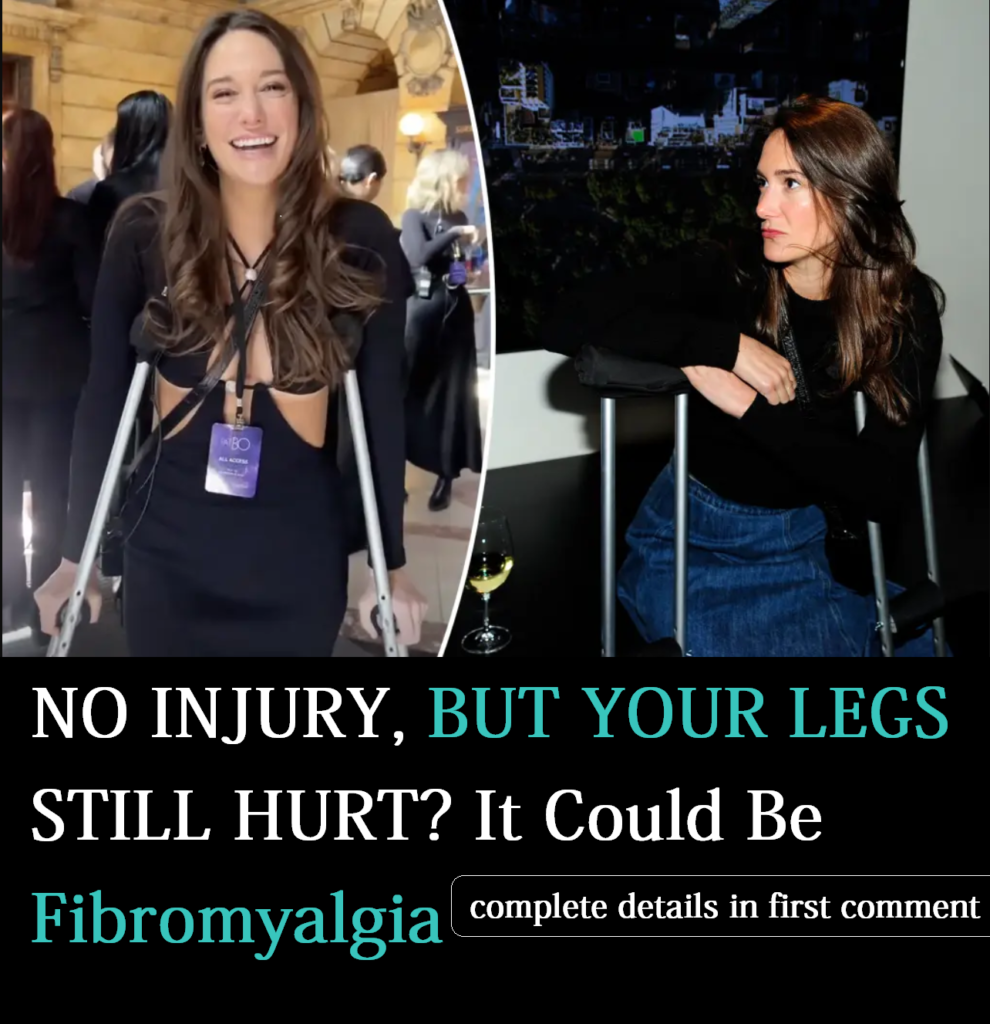
There are moments in public life when a single sentence does the work of a thousand medical papers. When someone with a platform large enough to reach millions speaks truth so cleanly that people who have been carrying that truth quietly for years suddenly feel seen — not just understood, but witnessed.
Bella Hadid’s words did that.
“We are not lazy. Chronic pain steals our energy and makes us disabled.”
Seven words of context. One devastating truth. And for the tens of millions of people living with fibromyalgia, Lyme disease, lupus, multiple sclerosis, endometriosis, rheumatoid arthritis, and the full spectrum of chronic pain conditions, those words landed like recognition long overdue.
This article is not a celebrity profile. It is an examination of why those words matter so profoundly, what the science says about the mechanism behind them, what chronic pain fatigue actually does to the human body and mind, and why reclaiming the narrative — refusing the label of laziness — is not just emotionally important but medically essential.
Who Is Bella Hadid, and Why Does Her Voice Matter Here?
Bella Hadid is one of the most recognizable models in the world. She has appeared on the covers of Vogue, Harper’s Bazaar, and countless other publications. She has walked runways in Paris, Milan, and New York. From the outside, her life has appeared — as the lives of the visibly successful always do — as frictionless, elevated, and effortless.
What the public did not see for years was that Bella Hadid has been living with chronic Lyme disease since she was approximately fourteen years old. Lyme disease, when it becomes chronic — persisting in a post-treatment syndrome that the medical community continues to debate — produces a constellation of symptoms that includes profound fatigue, widespread joint and muscle pain, neurological symptoms including cognitive difficulty, and a level of physical limitation that simply does not correspond to the image of a functioning, publicly active person.
Bella Hadid began speaking about her illness more openly in 2022, sharing images of medical treatments and describing days of intense physical suffering that existed alongside — and often beneath — the public-facing career. The response from the chronic illness community was immediate and visceral. Here was someone with every reason to keep the curtain closed, choosing instead to open it.
Her statement about laziness and chronic pain did not come from a motivational speech. It came from lived experience — from years of being misunderstood, of pushing through, of knowing that what was visible to others and what was actually happening inside her body were two completely different realities. That authenticity is precisely what made her words resonate beyond the reach of any clinical guideline or awareness campaign.
The Laziness Lie: Where It Comes From and Why It Persists
The accusation of laziness is one of the most persistent and most damaging misperceptions that people with chronic pain and chronic illness face. It arrives in many forms. Sometimes it is explicit — said outright by family members, employers, or even healthcare providers. More often it is implicit: the raised eyebrow, the assumption that someone who can attend one event but not another is choosing convenience, the suggestion to “just push through” as though willpower were a sufficient response to a malfunctioning central nervous system.
The laziness narrative persists for several reasons, and understanding them matters — not to excuse them, but to dismantle them.
First, chronic pain and chronic illness are often invisible. There is no cast, no wound, no scan result to hold up as evidence. The person in front of you looks the same as they did when they were well — or close enough that the gap requires imagination to fill. Humans are profoundly visual creatures. We have strong instincts to believe what we can see and to question what we cannot. Invisible illness falls into the second category.
Second, many people with chronic conditions have functional days — days when symptoms are relatively managed and they can appear at a birthday party, meet a friend, or hold a conversation without visible distress. When they then spend the following three days in bed recovering from that effort, the person who saw them at the party draws the wrong conclusion. They looked fine. They must be choosing not to participate. The concept of post-exertional malaise — the documented, physiological crash that follows overexertion in chronic illness — is simply not part of most people’s understanding of how the body works.
Third, the medical establishment itself has, historically, contributed to the laziness narrative through inadequate acknowledgment of conditions that do not produce clear biological markers. When a doctor tells a patient that their tests are normal and perhaps they should try to be more active, that patient then returns to their family, their employer, their social circle with a medical endorsement of the “nothing is really wrong” narrative. The stigma is baked into the system.
Fourth, productivity culture has elevated activity and busyness to a near-moral status. Resting is suspect. Canceling plans is considered a character flaw. The person who is always available, always performing, always delivering is the admirable one. Those who cannot match this standard — for whatever reason — are implicitly judged against it and found wanting.
Bella Hadid’s statement cuts through all of this. Not with explanation, not with apology — with declaration. We are not lazy. The energy is being taken. The disability is real. The label does not apply.
The Science Behind Chronic Pain Fatigue: It Is Not Optional
The fatigue of chronic pain is not tiredness in the ordinary sense. This distinction is clinically important and personally validating, and it deserves to be understood specifically and in detail.
Central Sensitization and the Energy Cost of Amplified Pain
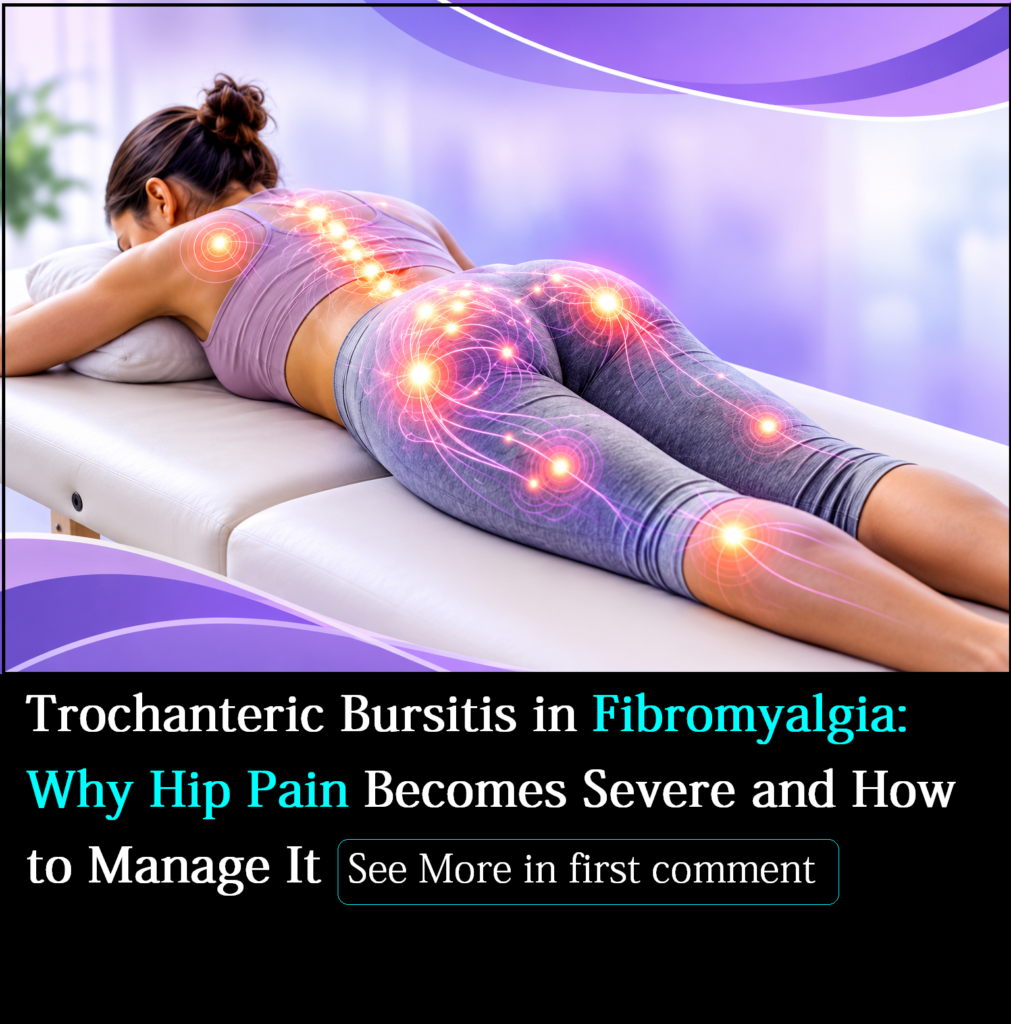
Chronic pain conditions — including fibromyalgia, chronic Lyme, lupus, rheumatoid arthritis, and many others — involve a process called central sensitization. The central nervous system, specifically the brain and spinal cord, processes pain signals with amplified intensity. The gain is turned up. Stimuli that would ordinarily produce no pain signal produce pain. Stimuli that would produce mild pain produce severe pain.
This constant, amplified processing consumes energy. The brain is the most metabolically demanding organ in the body. When it is continuously processing intensified pain signals — managing, responding to, and adapting around a nervous system that is functioning at an abnormally high level of arousal — it draws on reserves that would otherwise be available for thought, movement, social engagement, and basic daily functioning.
This is not metaphorical. It is neurobiological. The energy that healthy people use for ordinary activities is, in chronic pain patients, being redirected toward the continuous management of a dysregulated nervous system.
Sleep Deprivation as a Force Multiplier
Chronic pain invariably disrupts sleep. Pain makes falling asleep harder. It causes waking during the night. And in conditions like fibromyalgia, the deep, slow-wave stages of sleep that are responsible for physical and neural restoration are specifically disrupted — not by a failure to sleep long enough, but by the intrusion of lighter brain activity into the stages where the body is meant to repair itself.
The result is sleep that does not restore. Hours in bed that produce mornings of heaviness, cognitive cloudiness, and fatigue that has nothing to do with effort or will and everything to do with a brain that spent the night processing pain rather than recovering from the day.
Sleep deprivation at this level — sustained over months and years rather than occasional nights — has measurable effects on immune function, inflammatory regulation, cognitive performance, emotional resilience, and pain threshold. All of these effects worsen the underlying chronic pain condition, which further disrupts sleep, which worsens the fatigue. The cycle is vicious, biological, and has nothing whatsoever to do with laziness.
The Immune System Dimension
Many chronic pain conditions involve immune dysregulation — the immune system is overactive, misdirected, or persistently activated in ways that produce systemic inflammation and the profound fatigue that accompanies it. Lupus, rheumatoid arthritis, and other autoimmune conditions produce cytokine-mediated fatigue — the same bone-deep exhaustion that anyone who has had severe influenza recognizes — as a direct consequence of immune system activity.
This cytokine-driven fatigue is physiologically identical to the fatigue of acute illness. When the body is fighting an infection, most people would not accuse the patient of laziness for staying in bed. The fatigue of autoimmune-driven inflammation is produced by the same mechanism — but because it is chronic, because it does not follow the socially legible arc of infection-to-recovery, the same understanding is not extended.
Post-Exertional Malaise
Post-exertional malaise — the significant worsening of all symptoms that follows physical or cognitive exertion in many chronic pain and chronic illness conditions — is one of the most misunderstood features of these conditions and one of the most direct contributors to the laziness accusation.
A person with chronic illness who attends a family gathering, completes a work project, or spends a day out with friends may appear entirely functional during those activities. They have drawn on reserves, pushed through, and shown up. What follows — sometimes the next day, sometimes two or three days later — is a crash of fatigue and pain that can be genuinely debilitating and may last days to weeks.
The person who observed the good day does not see the crash. They draw the conclusion that the person is capable when they choose to be and simply declining to participate when they cancel subsequent plans. This conclusion is completely backward. The good day was possible at a cost that the observer did not witness.
The Psychological Weight of Being Disbelieved
The physical burden of chronic pain is enormous. The psychological burden of being disbelieved, judged, and labeled adds a layer of suffering that is both compounded by and distinct from the physical symptoms.
Research consistently finds that invalidation — the experience of having one’s pain or illness doubted, minimized, or attributed to personality — has measurable negative effects on pain intensity, psychological wellbeing, and clinical outcomes. When a person with chronic pain internalizes the message that their symptoms are a character failure rather than a medical reality, the consequences include increased depression and anxiety, reduced willingness to seek appropriate medical care, delayed diagnosis, reduced adherence to management strategies, and — critically — an increase in the pain itself, mediated through the established relationship between emotional distress and central sensitization.
Being told you are lazy is not merely hurtful. In the context of chronic pain, it is medically harmful.
The act of speaking out — as Bella Hadid did, as countless chronic illness advocates do every day with far smaller platforms — is therefore not just an act of emotional expression. It is a public health act. Every time the laziness narrative is challenged with clear, truthful, specific language, it shifts the social environment in which chronic illness patients exist. And that shift has tangible consequences for how they are treated by their families, their employers, their healthcare providers, and themselves.
What “Disabled by Chronic Pain” Actually Means
The second part of Bella Hadid’s statement — “makes us disabled” — is worth examining with the same care as the first.
Disability, in the context of chronic pain, is not a fixed state. It is not about wheelchair use or visible physical limitation. It is about the gap between what a person’s body and mind can do and what the demands of daily life require them to do. Chronic pain creates this gap in ways that are profound, variable, and often invisible to everyone except the person experiencing them.
It creates the gap between being able to think clearly enough to work and the cognitive fog of a high-pain day. Between being able to walk to the kitchen and the day when getting out of bed is the limit. Between being able to sustain relationships and the social withdrawal that chronic pain and its stigma impose. Between the person someone was before their condition worsened and the person they are navigating life as now.
Using the word “disabled” is not self-pity. It is accuracy. It is the honest description of a life materially limited by a medical condition, articulated by someone whose public image has made the honesty particularly striking.
In recent years, disability recognition for chronic pain conditions has expanded in legal and social frameworks. Fibromyalgia is recognized as a qualifying disability under the Americans with Disabilities Act and the UK Equality Act. Chronic Lyme disease and other post-infectious syndromes are increasingly acknowledged in disability policy discussions. The language of disability, applied to chronic pain, is both accurate and necessary — and Bella Hadid’s use of it, to an audience of millions, moves that language further into the mainstream.
Living with Chronic Pain: What Support Actually Looks Like
If the laziness narrative is the problem, its replacement requires more than a rebuttal. It requires a practical shift in how the people around someone with chronic pain understand and respond to their experience.
Believe first. The single most powerful thing a person can do for someone with chronic pain is to begin from a position of belief. Not conditional belief contingent on test results or visible symptoms. Simply: I believe that you are experiencing what you say you are experiencing. This starting point changes everything that follows.
Learn about energy management. Understanding that chronic pain patients operate on a finite and reduced energy budget — that choices about how to spend that energy are medical decisions, not preference statements — reframes what looks like selective participation as rational, necessary self-management.
Stop using productivity as a measure of worth. Chronic pain patients who are less active, less socially visible, or less professionally output-oriented than they once were have not diminished in value. They are managing a condition that imposes real constraints on energy and function. Extending the same compassion to chronic illness that is readily extended to visible acute illness is the minimum standard of decency.
Advocate in institutional spaces. Workplace accommodations for chronic illness, accessible healthcare that takes patient-reported symptoms seriously, disability benefit systems that recognize invisible conditions — all of these require advocacy beyond individual relationships.
A Statement That Changes Things
Bella Hadid did not write a research paper. She did not deliver a policy speech. She wrote a sentence — sharp, direct, and rooted in her own lived experience — that named something true about the reality of millions of people.
We are not lazy. Chronic pain steals our energy and makes us disabled.
Those words will do more work in a day than most medical awareness campaigns accomplish in a year, because they carry the weight of genuine experience and the reach of a genuinely large platform. They reach people who have never heard the term central sensitization, who have never read about post-exertional malaise, who have simply spent years wondering why they are so tired and why no one seems to understand.
To those people, the message is this: the words describe something real. The science confirms what you feel. And you are not, have never been, and will never be lazy.